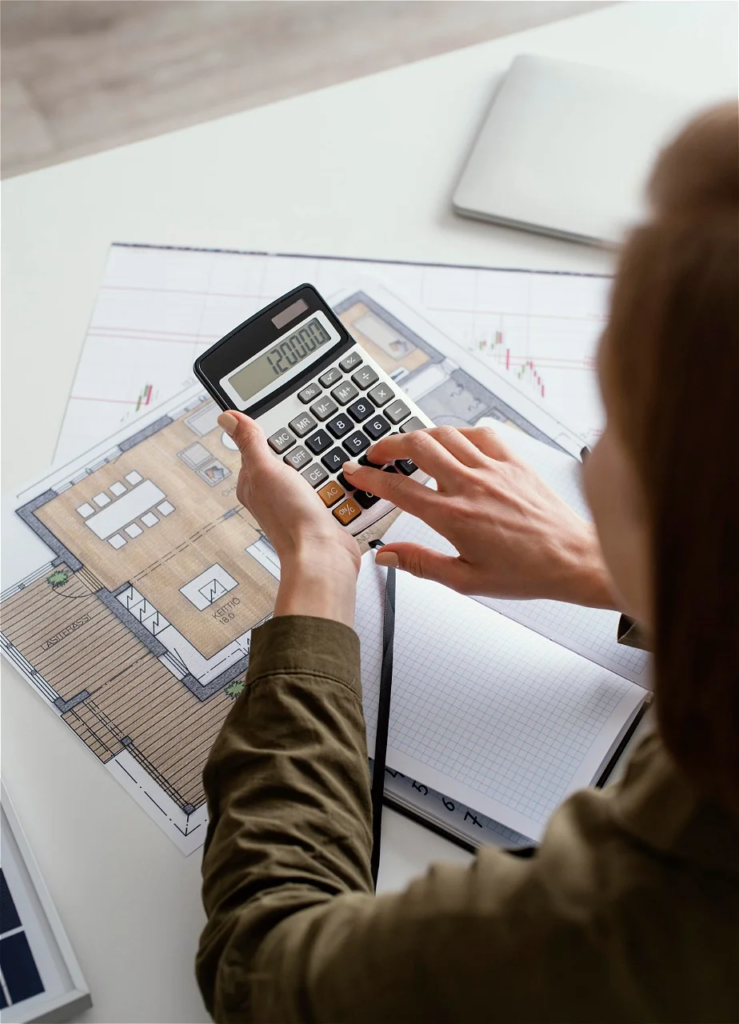
Building a new home is exciting-but managing the budget can be stressful. Many homeowners start with a figure in mind and end up facing unexpected costs, delays, or design changes that push the price higher.
A well-planned budget helps you stay in control from the first step to handover.
Here’s a clear guide on how to budget for your new home build, avoid hidden costs, and save money without sacrificing quality.
Calculate the Full Cost
Build price isn’t just bricks and walls. Your budget should include:
Estimated home construction value: The overall cost to build the structure, based on your selected design, materials and inclusions.
Land cost: The purchase price of the land, plus any land transfer fees or stamp duty.
Design & approvals fees: Charges for drafting plans, engineering, council approvals and building permits.
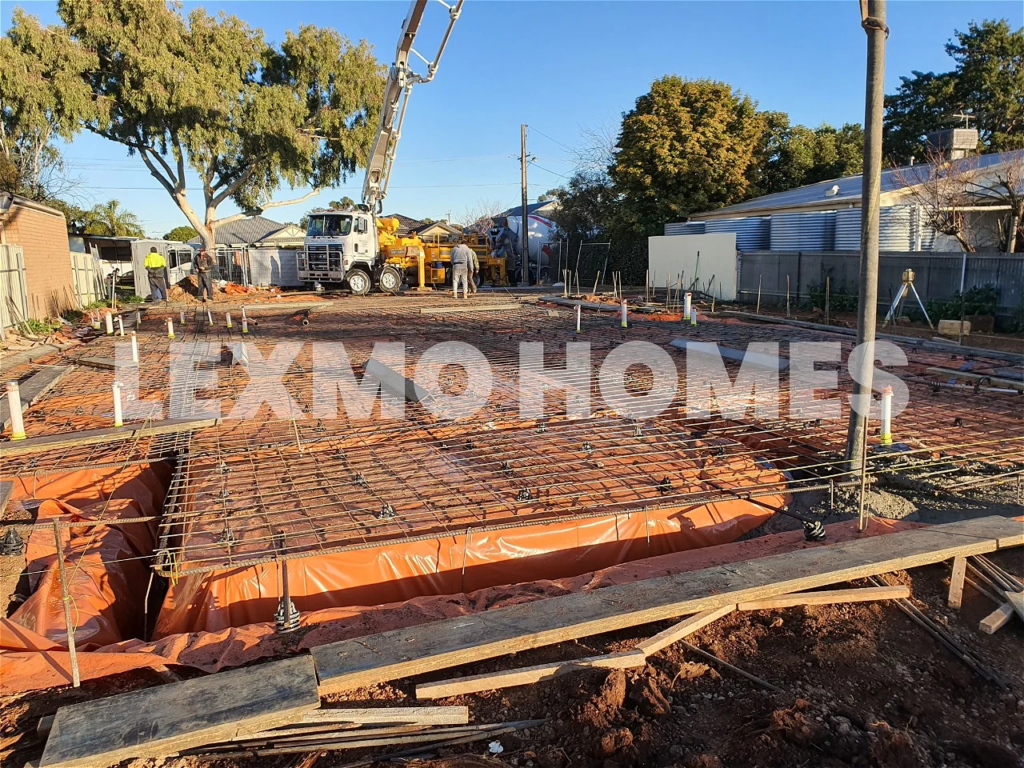
Site works: Preparation of the land, including soil testing, excavation, levelling or rock removal if required.
Connection fees: Your block may not already have services connected, and setting them up can add extra cost.
Interior selections: Items such as kitchen fittings, appliances, lighting, flooring, bathroom fixtures and other finishes you choose inside the home.
Contingency fund: Keep a 5–10% contingency fund. Unexpected soil conditions, material price increases, or design changes can appear later.
Know the hidden costs before you start
Utility connections
Before building, check whether your land already has access to water, electricity, sewer and stormwater. Some new estates provide these services, while others require you to organize and pay for the installation. If services are not connected, the cost can run into thousands of dollars, so it’s important to confirm this early.
Design changes
Pricing is based on the plan you sign. If you make changes later, such as altering layouts, adding features or upgrading materials-each variation adds to the final amount. That’s why it’s best to finalize most details early and review your contract carefully before signing.
Council & regulations
Different councils have different building rules. Blocks in bushfire, flood, heritage or conservation zones may need special materials or extra engineering, which adds cost. If there are regulated trees on the land, you will also need council approval to remove them. Checking council requirements early helps you avoid unexpected costs.
Site preparation
Not all land is ready to build on. You may need excavation, levelling, retaining walls, tree removal or soil stabilization. Sloping blocks, rocky ground or poor soil conditions can increase foundation and site work costs. A soil test helps identify these before the build begins. Therefore you need to select the perfect land for you to build.
Build smart and stay within budget
Saving money doesn’t mean choosing a cheap builder. It means choosing the right design and process.
Choose the right builder
The cheapest quote isn’t always the best choice. Choose the right builder with transparent pricing, clear inclusions, excellent services, a strong track record, and local South Australian experience. A design-and-build company like Lexmo Homes manages everything in-house, from plans to construction, helping control costs and reduce confusion or variations.
Plan for long-term savings
Making smart choices during construction can save you money for years. This includes energy-efficient designs, upgraded insulation and glazing, solar-ready setups or solar installations, water-efficient fittings, and low-maintenance materials such as LED lighting. These features may cost a little more upfront but reduce ongoing bills and maintenance costs over time.
Engage with your builder
Communicating your expectations clearly with your builder from the start helps keep your build on budget without compromising quality. By outlining your preferred materials, must-have features, budget limits, and timeframe early, your builder can plan accurately and make informed decisions. This reduces the need for costly changes or upgrades later, keeps the project on track, and ensures the final home matches your vision.
Advantages of Budgeting Before You Build
No unexpected financial pressure: A clear budget prevents surprise costs and keeps your finances under control throughout the build.
You control the design within realistic limits: Budgeting helps you make design choices that fit your financial plan without compromising quality.
Faster approvals and build progress: When costs and plans are clear, council approvals and construction can proceed more smoothly and efficiently.
Better long-term savings: Planning your budget allows you to invest in energy-efficient and low-maintenance features that save money over time.
Ready to Build Smart? Let’s Talk.
Choosing the right builder makes all the difference. Lexmo Homes manages every step-from initial budget planning to final handover-ensuring a smooth, stress-free experience. We design homes that meet your needs, stay on budget, and deliver long-term value. Contact us today to start a journey with us.